What are the different types of wood flooring?
Wood flooring comes in various types, each with its unique characteristics and applications. The main types include:
- Solid Hardwood: Offers durability and can be refinished multiple times, but is susceptible to moisture.
- Engineered Wood: Features a plywood core with a hardwood veneer, providing better resistance to humidity.
- Laminate: A synthetic product designed to mimic real wood, known for its affordability and scratch resistance.
- Bamboo: Not traditional wood but a grass; known for being eco-friendly and moisture-resistant.
- Cork: Offers warmth and sound absorption, suitable for low-traffic areas due to its softness.
Comparison:
- Durability:
- Solid Hardwood: Very durable, can be sanded and refinished.
- Engineered Wood: Moderate durability, limited refinishing.
- Laminate: Highly resistant to scratches, not refinishable.
- Moisture Resistance:
- Engineered Wood: Best for moisture-prone areas.
- Solid Hardwood: Least moisture-resistant.
- Aesthetic:
- Solid Hardwood and Engineered Wood provide authentic wood appearance.
- Laminate offers a variety of design options.
- Eco-Friendliness:
- Bamboo is the most eco-friendly choice.
- Cork is sustainable due to its renewable nature.
What are the key types of wood used in flooring?
Wood flooring primarily uses hardwoods such as oak, maple, cherry, and walnut, each offering distinct characteristics. Here are the main types:
- Oak: Known for its strength and diverse grain patterns, it is very popular across various styles.
- Maple: Offers a subtle grain and light colour, often found in modern aesthetics.
- Cherry: Provides rich tones and smooth texture, becoming darker with age.
- Walnut: Features a deep colour and fine grain, making it a luxurious choice.
How does solid wood flooring differ from engineered wood?
Solid wood flooring is made from a single piece of timber, while engineered wood consists of multiple layers bonded together.
- Solid Wood:
- More prone to expansion and contraction due to humidity.
- Can be sanded and refinished multiple times.
- Typically more expensive.
- Engineered Wood:
- More stable against humidity changes.
- Limited refinishing potential.
- Often more affordable.
Are there specific wood types best suited for certain rooms?
Yes, oak is ideal for living rooms due to its sturdiness, cherry suits bedrooms for its warmth, and teak is perfect for bathrooms because of its water resistance.
What factors determine the cost of wood flooring?
The cost of wood flooring is influenced by wood type, quality, installation complexity, and regional pricing variations.
- Pros:
- Wide range of prices
- Durable options
- Cons:
- High-quality wood is expensive
- Installation can be complex and costly
What are the main root attributes that influence wood flooring prices?
The main root attributes affecting wood flooring prices include the type of wood, thickness, finish, brand, and installation complexity.
How does wood species affect the cost?
Wood species affects cost as exotic woods like mahogany and teak are more expensive due to rarity and sturdiness, while common ones like pine and oak are more affordable.
How do installation methods impact the overall price?
Installation methods impact the overall price by influencing labour costs, material needs, and time required.
Are there additional costs to consider with wood flooring?
Yes, additional costs for wood flooring can include installation fees, underlayment, adhesives, finishing materials, and potential subfloor repairs.
How is wood flooring installed?
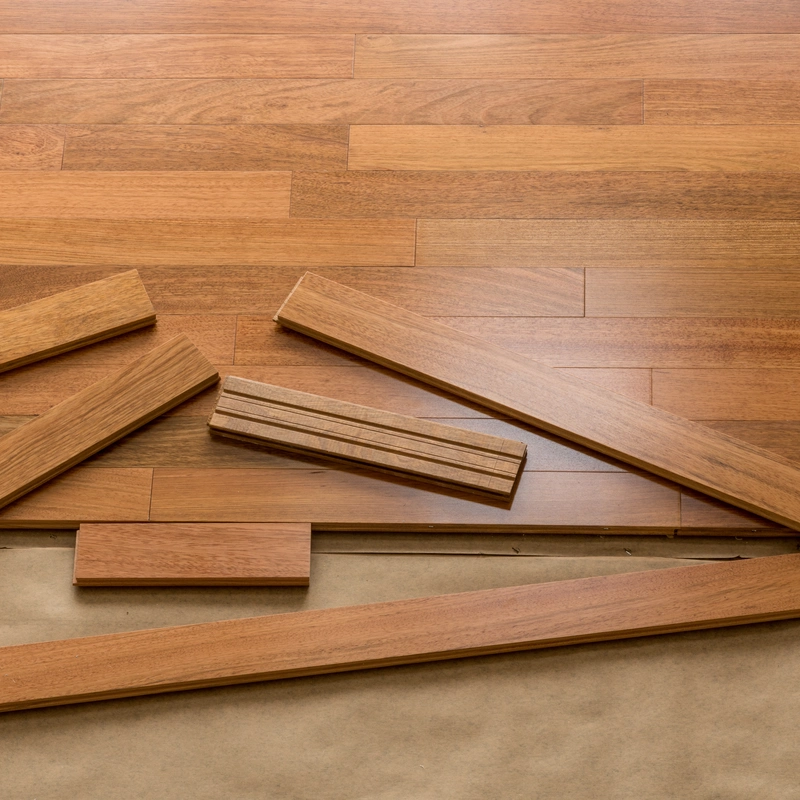
Wood flooring installation is the process of laying wood planks on a floor surface.
- Preparation: Acclimate the wood to room temperature and humidity for at least 48 hours. Ensure the subfloor is clean, dry, and level.
- Laying the Underlayment: Install an underlayment or moisture barrier on the subfloor as per manufacturer instructions.
- Planning Layout: Measure the room and plan the layout of the planks.
- Installation: Begin laying planks starting from one corner. Use spacers between the planks and walls.
- Finishing Touches: Once the floor is laid, remove spacers, and install baseboards or trim to cover expansion gaps.
What are the main methods for installing wood flooring?
- Nail Down: Secure the wood to the subfloor using nails.
- Staple Down: Uses staples instead of nails.
- Glue Down: Adhesive is applied to the subfloor.
- Floating: Boards are attached to each other, not the subfloor.
What tools and materials are needed for wood flooring installation?
For a successful wood flooring installation, you’ll need specific tools and materials. The essential tools include a tape measure, chalk line, mitre saw, and a rubber mallet. Materials required are wood flooring planks, underlayment, and adhesive or nails.
- Tape measure
- Chalk line
- Mitre saw
- Rubber mallet
- Wood flooring planks
- Underlayment
- Adhesive or nails
How to ensure a smooth and secure installation?
- Prepare the Installation Area: Ensure the area is clean and dry.
- Gather Necessary Tools and Materials: Collect tools and materials for efficiency.
- Measure and Plan Layout: Measure the installation area accurately.
- Follow Manufacturer Instructions: Adhere to the manufacturer’s guidelines.
- Perform a Trial Fit: Lay out the materials without securing them.
- Secure Flooring: Once satisfied, secure the flooring.
- Check for Level Surfaces: Use a level to confirm that the flooring is even.
- Finalise and Seal: Apply any necessary sealants or finishes.
What maintenance is required for wood flooring?
Wood flooring maintenance includes regular cleaning, protecting from scratches, and periodic refinishing. Here’s a simple maintenance checklist:
- Sweep or Vacuum Regularly: Remove dirt and dust.
- Use Floor Protectors: Place felt pads under furniture legs.
- Clean Spills Immediately: Use a damp cloth to wipe spills.
- Avoid Harsh Cleaners: Use products specifically designed for wood floors.
- Control Indoor Humidity: Maintain consistent humidity.
How often should wood floors be cleaned and polished?
Wood floors should be cleaned weekly and polished every 2-3 months.
What are the best products and methods for maintaining wood floors?
Checklist for wood floor maintenance: use a microfiber mop, a pH-neutral wood cleaner, and furniture pads weekly. Occasionally, apply a quality wood floor polish.
How to handle scratches and dents on wood flooring?
- Clean the Area: Start by cleaning the scratched or dented area.
- Assess the Damage: Examine the scratches and dents.
- Use Wood Filler: For deeper scratches and dents, apply a matching wood filler.
- Sand the Surface: After the filler dries, sand the area gently.
- Apply a Wood Finish: Apply a matching wood finish to the repaired area.
- Buff the Area: Once the finish dries, buff the area with a soft cloth.
- Regular Maintenance: Regularly clean and polish your wood flooring.
What are the benefits of wood flooring?
Wood flooring offers numerous benefits that make it a popular choice for homeowners.
- Durability: Wood floors are strong and can last for decades with proper care.
- Aesthetic Appeal: They provide a timeless look that can enhance the interior design.
- Easy Maintenance: Wood flooring is easy to clean, requiring simply routine sweeping or vacuuming.
- Increased Home Value: Homes with wood flooring typically have higher resale values.
- Health Benefits: Unlike carpets, wood floors do not trap dust, allergens, or pet dander.
How does wood flooring enhance home aesthetics?
Wood flooring enhances home aesthetics by adding warmth and a classic look to interiors. The rich tones and unique grain patterns create a visually pleasing environment, making it a popular choice among homeowners. Wood floors complement various interior styles, from rustic to modern chic.
Are there health benefits associated with wood flooring?
Yes, wood flooring reduces allergens as it doesn’t trap dust and pollen like carpets. A study from the European Respiratory Journal found that homes with hardwood floors had significantly lower levels of allergens.
How does wood flooring impact property value?
Wood flooring generally increases property value due to its aesthetic appeal. Buyers often perceive homes with wood flooring as more desirable. According to Zillow’s research, homes with wood flooring sell faster and for about 2.5% more compared to homes without it.
Key Takeaways Section:
- Different wood flooring types offer unique features for specific needs.
- Choosing the right type can enhance both aesthetics and performance.
- Evaluation of factors such as cost, maintenance, and quality is essential.