What are the different types of vinyl flooring?
Vinyl flooring, a versatile and durable choice, comes in several types each suited to specific needs. The main options include luxury vinyl tile (LVT), luxury vinyl plank (LVP), and sheet vinyl, each offering unique benefits. LVT mimics natural stone or ceramic, LVP resembles wood, while sheet vinyl provides continuous coverage.
- Luxury Vinyl Tile (LVT)
- Pros: Realistic appearance, water-resistant, easy to replace individual tiles
- Cons: Can be pricier than other vinyl types
- Luxury Vinyl Plank (LVP)
- Pros: Great wood aesthetic, durable, water-resistant
- Cons: Installation may require a professional for complex patterns
- Sheet Vinyl
- Pros: Seamless appearance, affordable, water-resistant
- Cons: Difficult to repair, less realistic design options
Each type varies in installation method, cost, and aesthetic appeal, allowing for diverse applications in both residential and commercial settings.
What are the main types of vinyl flooring available?
Vinyl flooring options consist mainly of luxury vinyl plank (LVP), luxury vinyl tile (LVT), sheet vinyl, and vinyl composite tile (VCT). Each variation has distinct features and benefits:
- Luxury Vinyl Plank (LVP): Mimics hardwood and offers durability and water resistance.
- Luxury Vinyl Tile (LVT): Replicates stone or ceramic tile, offering varied design options.
- Sheet Vinyl: Provides a seamless, easy-to-install surface with moisture resistance.
- Vinyl Composite Tile (VCT): Suitable for commercial areas, known for durability and ease of maintenance.
These types of vinyl flooring cater to different aesthetic preferences and functional needs.
How does luxury vinyl tile differ from standard vinyl?
Luxury vinyl tile (LVT) offers a higher quality finish and greater durability compared to standard vinyl. Here is a comparison of features for these flooring options:
- Appearance: LVT mimics natural materials like wood or stone with high detail, while standard vinyl typically has simpler patterns.
- Durability: LVT is more durable and wear-resistant, ideal for high-traffic areas; standard vinyl is less durable.
- Thickness: LVT is thicker, providing better comfort underfoot and sound insulation than standard vinyl.
- Installation: LVT can be installed as click-lock floating floors, making it easier to install than the glue-down method often required for standard vinyl.
- Cost: LVT is generally more expensive due to its enhanced features and appearance, while standard vinyl is more budget-friendly.
What is sheet vinyl flooring and where is it best used?
Sheet vinyl flooring is a versatile, water-resistant flooring material available in large, continuous sheets. It is best used in moisture-prone areas like bathrooms, kitchens, and laundry rooms due to its durable and easy-to-clean surface.
How do you install vinyl flooring?
Vinyl flooring installation involves several steps to ensure a smooth and durable finish.
- Prepare the Surface: Ensure the subfloor is clean, dry, and free of any debris. A level surface is crucial for a seamless installation.
- Measure and Cut the Vinyl: Calculate the room’s dimensions and cut the vinyl accordingly, leaving a few extra inches to trim later.
- Lay the Underlayment: If required, lay the underlayment to provide additional cushioning and soundproofing.
- Position the Vinyl: Place the vinyl on the subfloor, making sure it’s correctly aligned with the room’s edges.
- Adjust and Trim: Trim the vinyl where necessary, using a utility knife for precision at corners and edges.
- Adhere the Vinyl: Use adhesive or double-sided tape to secure the vinyl, following the manufacturer’s guidelines for specific adhesives.
- Finish with Trims and Mouldings: Install baseboards or moulds to cover any gaps and provide a finished look.
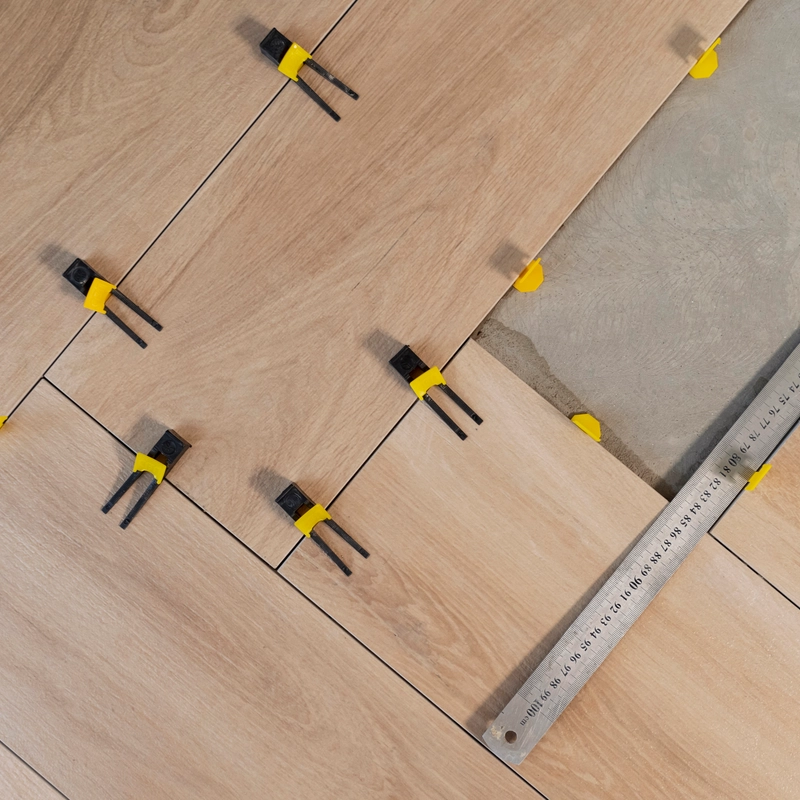
Checklist:
- Prepare subfloor
- Measure and cut vinyl
- Lay underlayment (if necessary)
- Align vinyl
- Trim edges
- Apply adhesive
- Install baseboards
Vinyl flooring is a popular choice for its durability and easy maintenance, offering an affordable and stylish option for any space.
What are the basic steps for installing vinyl flooring?
- Prepare the Subfloor: Ensure the subfloor is clean, dry, and level. Remove any old flooring materials or debris.
- Acclimate the Vinyl: Allow the vinyl planks or sheets to sit in the room for at least 48 hours to adjust to the climate.
- Measure and Cut: Accurately measure the room and cut the vinyl planks accordingly. Leave space for expansion gaps.
- Apply Adhesive or Underlayment: Depending on the vinyl type, apply the appropriate adhesive or lay an underlayment to secure the flooring.
- Lay the Vinyl: Start laying vinyl from one corner, gently pressing down and ensuring no gaps or bubbles form.
- Cut Around Obstacles: Use a utility knife to trim the vinyl around door frames and fixtures for a snug fit.
- Secure the Edges: Use transition strips or baseboards to cover exposed edges for a finished look.
- Clean and Inspect: Clean the installed flooring from any adhesive residue and review the installation for any necessary adjustments.
What tools and materials are needed for vinyl flooring installation?
To install vinyl flooring, you’ll need specific tools and materials. Here’s a checklist to guide you:
- Measuring Tape
- Utility Knife
- T-Square
- Floor Roller
- Adhesive or Double-sided Tape
- Putty Knife
- Rubber Mallet
- Moisture Barrier
How do you prepare a subfloor for vinyl installation?
- Clean the Subfloor: Clear the area of any debris, dust, and dirt using a broom or vacuum to ensure a smooth surface.
- Cheque for Moisture: Use a moisture metre to ensure the subfloor’s moisture level is within the vinyl manufacturer’s recommended range.
- Repair Any Damage: Fill in gaps or cracks using a suitable filler, and sand rough spots to make the surface even.
- Install Underlayment (if needed): Lay down the appropriate underlayment to provide additional cushioning and noise reduction.
- Conduct a Level Test: Use a level tool to cheque if the subfloor is perfectly flat; make any necessary adjustments.
Checklist:
- Remove all debris
- Cheque moisture levels
- Repair cracks and gaps
- Sand uneven areas
- Install underlayment
- Ensure level surface
What are the key benefits of vinyl flooring?
Vinyl flooring offers several benefits: affordability, durability, water resistance, low maintenance, and a wide range of styles.
- Affordability: Vinyl is a cost-effective option compared to other flooring types.
- Durability: It’s designed to withstand heavy foot traffic, ensuring longevity.
- Water Resistance: Vinyl is ideal for kitchens and bathrooms due to its water resistance.
- Low Maintenance: This flooring requires minimal cleaning, making it convenient for busy households.
- Style Variety: Available in various colours and patterns, vinyl can mimic the appearance of wood or stone, providing aesthetic flexibility.
Why is vinyl flooring considered durable and versatile?
Vinyl flooring is recognised for its durability and versatility due to its resistance to moisture, scratches, and heavy traffic, available in a variety of styles to mimic other materials. It provides several benefits, such as being cost-effective, easy to maintain, and offering a wide range of design options perfect for any room.
- Pros:
- Durable: Resists scratches and impacts.
- Water-resistant: Suitable for moisture-prone areas.
- Variety: Available in designs like wood and tile.
- Cons:
- Damage: Can be punctured by sharp objects.
- Fading: May fade with prolonged sun exposure.
How does vinyl flooring compare to other flooring types in terms of maintenance?
Vinyl flooring is known for its low maintenance requirements compared to other flooring types. Here’s a comparison:
- Vinyl Flooring
- Pros: Easy to clean, water-resistant, durable
- Cons: Can scratch, may require occasional waxing
- Hardwood Flooring
- Pros: Timeless appearance, can be refinished
- Cons: Requires regular polishing, susceptible to water damage
- Laminate Flooring
- Pros: Resembles wood, easy to clean
- Cons: Less water-resistant, can be noisy
- Carpet Flooring
- Pros: Soft, comfortable, insulates sound
- Cons: Stains easily, requires regular vacuuming and cleaning
In summary, vinyl flooring stands out for its ease of maintenance, water resistance, and durability, though it may still require some care to prevent scratches.
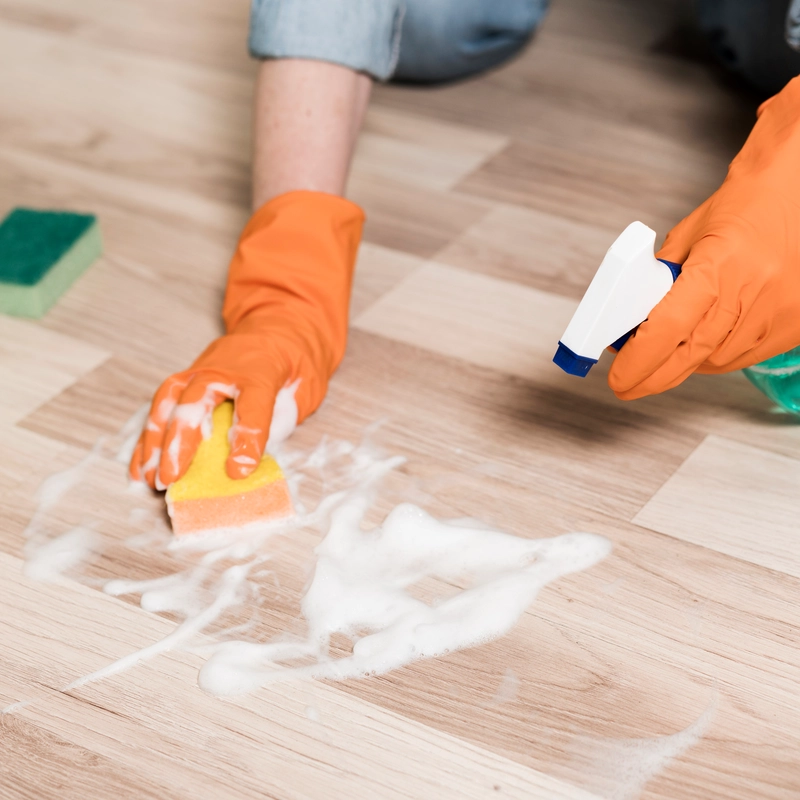
Is vinyl flooring water-resistant and suitable for wet areas?
Yes, vinyl flooring is water-resistant, making it a suitable option for wet areas. Vinyl flooring is a synthetic material designed to withstand moisture, providing a protective surface that combats water penetration. Its composition allows it to resist damage from spills and humidity, making it an ideal choice for bathrooms, kitchens, and basements.
What is the cost of vinyl flooring?
The cost of vinyl flooring ranges from £2 to £10 per square foot, depending on quality and style. Factors influencing price include thickness, wear layer, design complexity, and brand.
- Pros:
- Affordable
- Water-resistant
- Easy to install
- Cons:
- Can incur dents and scratches
- Not as durable as some alternatives
What factors influence the price of vinyl flooring?
The price of vinyl flooring can be influenced by various factors, including quality, design, and installation. Higher-quality, thicker vinyl with enhanced wear layers often cost more due to durability and performance. Styles mimicking wood or stone raise costs. Installation complexity, such as in uneven rooms, can increase labour charges.
- Pros:
- Affordable
- Water-resistant
- Easy to maintain
- Cons:
- Can dent
- Not eco-friendly
Vinyl flooring generally ranges from £2 to £7 per square foot, though premium options may exceed this range.
How to budget for vinyl flooring installation?
Creating a budget for vinyl flooring involves several key steps. Use this checklist to guide you:
- Measure the Area: Calculate the square footage to determine the amount of vinyl needed.
- Research Material Costs: Vinyl flooring costs range from £2 to £7 per square foot, depending on quality.
- Include Installation Fees: Professional installation can add £3 to £10 per square foot.
- Consider Additional Costs: Account for underlayment, removal of old flooring, and disposal fees.
- Set a Contingency Fund: Allocate 10-15% of the total cost for unforeseen expenses.
Are there affordable vinyl flooring options that offer quality?
Yes, affordable vinyl flooring options like luxury vinyl planks and tiles provide quality features such as durability, water resistance, and realistic designs without compromising aesthetics or functionality, making them a popular choice for cost-effective home renovations.
How do you maintain vinyl flooring?
Maintaining vinyl flooring involves regular cleaning and preventive care. Here’s a simple maintenance guide to keep your vinyl floors looking their best:
- Sweep Regularly: Use a soft broom or a vacuum without a beater bar to remove dust and dirt. This prevents scratches.
- Mop with Gentle Cleaner: Use a damp mop with a mild, non-abrasive cleaner. Avoid using excessive water as it can seep into seams.
- Wipe Spills Immediately: Clean spills as soon as possible to prevent staining. Use a damp cloth and a gentle cleaner.
- Protect from Furniture Scratches: Place felt pads under furniture legs. Use mats or rugs in high-traffic areas.
- Avoid Harsh Chemicals: Do not use bleach or ammonia-based cleaners as they can damage the flooring.
Checklist for Maintaining Vinyl Flooring:
- Sweep weekly
- Mop monthly with mild cleaner
- Clean spills immediately
- Use furniture pads
- Avoid harsh chemicals
By following these steps, your vinyl flooring will remain attractive and last longer.
What regular cleaning is required for vinyl flooring?
- Sweep or vacuum regularly.
- Wipe with a damp mop.
- Use mild cleaning solutions.
- Avoid abrasive cleaners.
Sweeping daily prevents dirt buildup and scratches. Mop with water weekly, and add mild soap as needed. Always avoid abrasive cleaners to maintain the vinyl’s finish and lustre.
What are the best products and methods for maintaining vinyl flooring?
Use a gentle cleaner specifically for vinyl. Avoid abrasive tools like steel wool. Mop with a damp cloth, not soaking wet. Utilise doormats to minimise dirt. Refrain from using waxes or polishes.
Conclusion
In this article, we explored various aspects of a central topic, distilling the information into concise insights. Key topics included the unique attributes defining the entity, followed by root attributes that remain consistent across examples. We also examined rare attributes that aren’t universally applicable but hold significance. By sequentially building from broad definitions to specific comparisons, the article aimed to provide a comprehensive understanding.
Key Takeaways:
- Unique attributes define the main characteristics in the featured context.
- Root attributes provide stability and common ground for comparison.
- It’s important to consider rare attributes, as they add depth and nuance.
- The article unfolds logically, allowing for a progressive build-up of information.