What are the different types of flooring?
Different types of flooring include hardwood, laminate, vinyl, tile, carpet, and concrete.
- Hardwood: Offers natural beauty and durability.
- Laminate: Mimics wood at a lower cost.
- Vinyl: Water-resistant and versatile.
- Tile: Durable and easy to clean.
- Carpet: Soft and comfortable underfoot.
- Concrete: Modern and industrial look.
Each type has its unique attributes and suitability for various areas in a home.
What are the key types of wood flooring?
Wood flooring comes in several key types, each with distinct characteristics and benefits.
- Solid Hardwood: Made from a single piece of wood; durable and can be refinished multiple times.
- Engineered Hardwood: Consists of multiple layers with a top veneer of real wood, offering stability in varying humidity.
- Bamboo Flooring: Environmentally friendly and highly resilient.
- Cork Flooring: Harvested from cork oak trees and provides excellent insulation.
What is solid wood flooring?
Solid wood flooring is made entirely from a single piece of hardwood, offering durability, natural beauty, and longevity. It can be sanded and refinished multiple times over its lifespan. Common species include oak, maple, and walnut. It performs best in areas with stable humidity levels.
What is engineered wood flooring?
Engineered wood flooring consists of layers of wood crisscrossed and bonded for stability. It has a top layer of real hardwood veneer for the appearance of solid wood. This structure allows engineered wood to be more versatile, making it suitable for varying humidity levels.
What are the key types of tile flooring?
Tile flooring comes in various types, each offering distinct benefits and aesthetic appeal.
- Ceramic Tile: Made from clay and natural materials; used in bathrooms and kitchens.
- Porcelain Tile: Denser and ideal for high-traffic areas; can imitate stone or wood.
- Natural Stone Tile: Luxurious appearance; includes marble, granite, slate, and travertine.
- Glass Tile: Used for accents and backsplashes; offers a wide range of colours.
- Cement Tile: Hand-crafted look; often used decoratively but requires sealing.
What is ceramic tile flooring?
Ceramic tile flooring is durable and versatile, made from natural clay molded and baked at high temperatures. It is used in moisture-prone areas due to its strength and variety of design options.
What is porcelain tile flooring?
Porcelain tile flooring is a durable, water-resistant ceramic tile made from refined clay fired at high temperatures. Known for its density and resistance to moisture, making it ideal for indoor and outdoor use.
What are the key types of vinyl flooring?
Vinyl flooring comes in several key types, each suited for various applications.
- Sheet Vinyl: Continuous sheets; best for water resistance and easy installation.
- Vinyl Plank: Mimics wood planks; durable and visually appealing.
- Luxury Vinyl Tile (LVT): Resembles stone or ceramic tiles; offers high-end aesthetics.
What is luxury vinyl tile (LVT)?
Luxury vinyl tile (LVT) is resilient flooring designed to mimic natural materials. It features a multi-layer construction with a wear layer for protection against scratches and stains.
What is vinyl sheet flooring?
Vinyl sheet flooring is a flexible sheet crafted from vinyl, ideal for high-traffic areas and rooms prone to moisture. It is available in various thicknesses, textures, and patterns.
What are the key types of carpet flooring?
Carpet flooring types include cut pile, loop pile, cut-loop pile, and patterned carpets.
- Cut Pile: Soft; ideal for residential use.
- Loop Pile: Known for durability and crushing resistance.
- Cut-Loop Pile: Combines both cut and looped fibers.
- Patterned Carpets: Offers varied colours and designs.
What is cut pile carpet?
Cut pile carpet features sheared yarns, creating a plush surface, ideal for residential spaces.
What is loop pile carpet?
Loop pile carpet features fibers looped through the backing, creating a textured surface known for its resilience.
What factors should you consider when choosing flooring?
When choosing flooring, evaluate the following factors:
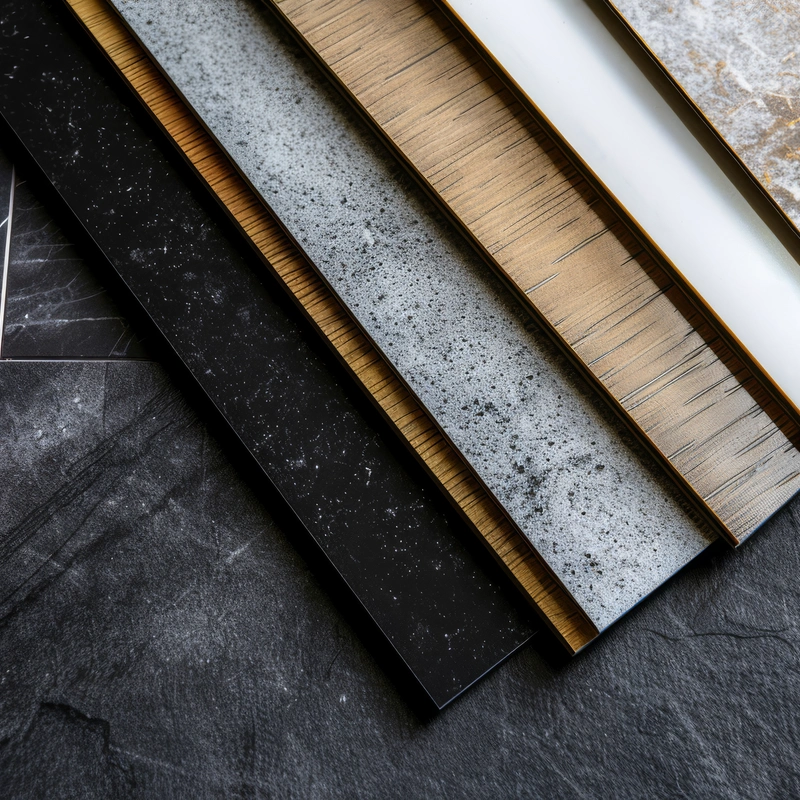
- Durability: Consider long-term wear based on traffic levels.
- Maintenance: Ensure upkeep suits your lifestyle.
- Aesthetics: Match flooring style with home décor.
- Budget: Consider initial cost and long-term value.
How does room usage affect flooring choice?
Room usage determines the need for durability, moisture resistance, and aesthetics. High-traffic areas require resilient materials, while moisture-prone spaces benefit from waterproof options.
How does budget influence flooring options?
Budget affects flooring choices by dictating available materials and installation methods.
- Low Budget:
- Pros: Affordable, easy installation.
- Cons: May wear out quickly.
- High Budget:
- Pros: Durable, elegant options.
- Cons: Higher initial cost.
Factors influencing cost include material costs, room size, and labour prices.
How does maintenance impact flooring decisions?
Maintenance impacts flooring decisions by influencing costs and upkeep. Here’s a breakdown of common flooring types and maintenance requirements:
Pros and Cons of Flooring Types:
| Flooring Type | Pros | Cons |
|---|---|---|
| Hardwood | Long-lasting, adds value | Requires regular refinishing, sensitive to moisture |
| Laminate | Easy to clean, economical | Can’t be refinished, prone to scratches |
| Vinyl | Water-resistant, low maintenance | Can fade over time, may look less natural |
| Carpet | Soft, warm, muffles sound | Stains easily, needs frequent cleaning |
What are the pros and cons of different flooring types?
Choosing flooring depends on factors like cost, durability, and maintenance. Here are the pros and cons:
Hardwood
- Pros: Aesthetic appeal, high resale value, long-lasting
- Cons: Expensive, susceptible to water damage, requires regular maintenance
Laminate
- Pros: Affordable, easy to install, resistant to scratches
- Cons: Less durable than hardwood, can’t be refinished, prone to water damage
Vinyl
- Pros: Water-resistant, low maintenance, versatile designs
- Cons: Can dent easily, less eco-friendly, not as high-end in appearance
Tile
- Pros: Wide variety of styles, durable and long-lasting, water-resistant
- Cons: Hard and cold underfoot, difficult to install, can chip or crack
Carpet
- Pros: Soft and comfortable, good insulation, reduces noise
- Cons: Prone to stains, requires frequent cleaning, limited lifespan
What are the pros and cons of wood flooring?
Wood flooring offers several benefits:
- Pros: Aesthetically pleasing, durable, adds value.
- Cons: Costly, requires regular upkeep, susceptible to moisture.
What are the pros and cons of tile flooring?
Tile flooring has its benefits and drawbacks:
- Pros: Durable, easy maintenance, wide variety, water resistance.
- Cons: Cold underfoot, hard surface discomfort, installation costs.
What are the pros and cons of vinyl flooring?
Vinyl flooring has various advantages and disadvantages:
- Pros: Durable, affordable, low maintenance.
- Cons: Susceptible to damage, environmental impact, resale value.
What are the pros and cons of carpet flooring?
Carpet flooring presents several pros and cons:
- Pros: Comfortable, variety available, provides insulation.
- Cons: Requires maintenance, durability concerns, can trap allergens.
How do you maintain different types of flooring?
Maintenance of different flooring types requires specific practices. Here’s a comprehensive guide:
Hardwood Flooring
- Dust and sweep regularly using a soft-bristle broom or microfiber mop.
- Avoid water spills; use a dry mop.
- Apply a wood floor cleaner monthly for deep cleaning.
Laminate Flooring
- Sweep and vacuum regularly with a vacuum for hardwood floors.
- Use a damp mop with laminate floor cleaner, avoiding excessive water.
- Wipe up spills immediately to avoid damage.
Tile Flooring
- Sweep and vacuum regularly.
- Mop with mild tile cleaner.
- Periodically clean grout lines with a grout cleaner.
Vinyl Flooring
- Sweep daily and mop with a vinyl-safe cleaner weekly.
- Avoid abrasive cleaners and tools.
- Wipe spills immediately to prevent staining.
Comparison Table for Flooring Maintenance:
| Flooring Type | Sweeping Frequency | Special Instructions | Cleaning Products |
|---|---|---|---|
| Hardwood | Daily | Avoid excessive water | Wood floor cleaner |
| Laminate | Daily | Use damp mop sparingly | Laminate floor cleaner |
| Tile | Daily | Clean grout lines periodically | Mild tile cleaner |
| Vinyl | Daily | Avoid abrasive cleaners | Vinyl-safe cleaner |
Factors Influencing Flooring Maintenance
- Material type requires distinct cleaning methods.
- High-traffic areas need more frequent cleaning.
- Environmental factors can affect maintenance routines.
- Pets and children increase cleaning frequency.
What is the cost of different types of flooring?
The cost of flooring varies by material:
| Flooring Type | Cost per Square Foot |
|---|---|
| Laminate | £1 – £5 |
| Vinyl | £2 – £7 |
| Carpet | £2 – £11 |
| Tile | £5 – £10 |
| Hardwood | £8 – £15 |
| Stone | £15 – £30 |
What is the cost of tile flooring?
The cost of tile flooring ranges from £1 to £20 per square foot, depending on material and quality.
What is the cost of vinyl flooring?
The cost of vinyl flooring ranges from £2 to £7 per square foot.
- Pros: Affordable, water-resistant, easy to install.
- Cons: Prone to scratches, not biodegradable.
Factors affecting cost include quality, installation method, thickness, and brand.
What is the cost of carpet flooring?
The cost of carpet flooring generally ranges from £3 to £11 per square foot, influenced by material, quality, and padding.
How do you install different types of flooring?
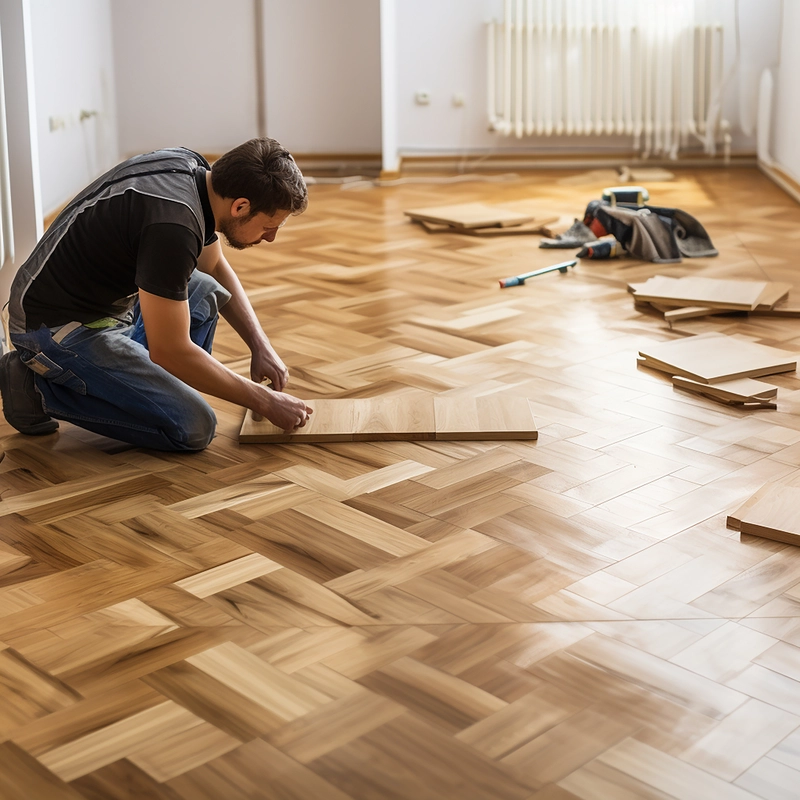
Hardwood Flooring
- Prepare the subfloor: Ensure clean, dry, and level.
- Acclimate the wood: Allow 48 hours for humidity adjustment.
- Install underlayment: Lay moisture barrier if needed.
- Lay the boards: Start from one corner, leaving an expansion gap.
- Nail or glue down: Follow manufacturer instructions.
Laminate Flooring
- Install underlayment padding: Use foam to reduce noise.
- Cut planks to fit: Measure and cut accordingly.
- Snap planks together: Employ tongue-and-groove mechanism.
- Install the final row: Ensure a snug fit.
Vinyl Flooring
- Prepare the surface: Clean and smooth the existing floor.
- Measure and cut vinyl: Cut sheets or planks to size.
- Apply adhesive: Spread as per requirements.
- Lay the vinyl: Firmly press to eliminate air pockets.
Tile Flooring
- Prepare the substrate: Ensure cleanliness and flatness.
- Apply mortar: Spread thin-set mortar uniformly.
- Lay the tiles: Start from the centre.
- Grout the tiles: Fill gaps after mortar sets.
How do you install wood flooring?
- Preparation: Clean the subfloor.
- Acclimation: Let the planks adjust to room humidity.
- Layout planning: Measure and plan the layout.
- Underlayment installation: Install moisture barrier.
- First plank installation: Maintain gap for expansion.
- Second row and beyond: Stagger joints for stability.
- Cutting planks: Use a miter saw for fitting.
- Finishing touches: Add baseboards to cover gaps.
How do you install tile flooring?
- Prepare the surface: Ensure clean and level.
- Measure the area: Buy 10% extra tiles.
- Layout and planning: Dry lay tiles for best fit.
- Mix the mortar: Follow instructions for consistency.
- Apply the mortar: Spread with a notched trowel.
- Lay the tiles: Press tiles into mortar.
- Cut the tiles: Use a tile cutter for corners.
- Allow to set: Let the tiles cure for 24 hours.
- Apply the grout: Fill gaps between tiles.
- Seal the tiles: Protect against moisture and stains.
How do you install vinyl flooring?
- Prepare the subfloor: Clean and level the surface.
- Measure and cut vinyl: Ensure proper fit.
- Dry fit the vinyl: Confirm layout.
- Apply adhesive: Spread evenly.
- Lay the vinyl: Position carefully and press.
- Trim excess vinyl: Use a utility knife.
- Press the vinyl: Remove air bubbles with a roller.
- Finish edges and seams: Secure edges for stability.
How do you install carpet flooring?
- Measure the room: Ensure correct carpet amount.
- Remove old flooring: Clear existing materials.
- Install tack strips: Place around the perimeter.
- Lay carpet padding: Cut and secure the padding.
- Cut the carpet: Fit to the room size.
- Attach carpet to tack strips: Stretch and secure.
- Trim excess carpet: Cut along walls.
- Finish and clean up: Inspect for issues and vacuum.
What are the latest trends in flooring?
The latest trends in flooring highlight a preference for sustainable materials, waterproof options, and innovative technology. Key trends include:
- Sustainable Materials: Bamboo, cork, and reclaimed wood.
- Waterproof Flooring: Popularity of vinyl planks and tiles.
- Smart Flooring: Integration of embedded sensors.
What are the latest trends in wood flooring?
Trends in wood flooring feature a blend of innovations and classic styles:
- Reclaimed Wood: Eco-friendly and rustic.
- Wider Planks: Make spaces appear larger.
- Lighter Shades: Demand for white oak and gray tones.
- Engineered Wood: Offers more resistance to moisture.
- FSC-Certified Wood: Sourced from responsibly managed forests.
What are the latest trends in tile flooring?
Current trends in tile flooring include:
- Larger Formats: Creates seamless appearances.
- Textured Finishes: Provides slip resistance.
- Bold Patterns: Adds modern aesthetics.