What is laminate flooring?
Laminate flooring is a multi-layer synthetic product designed to mimic wood, stone, or tile flooring. It consists of a protective wear layer, a decorative image layer, a high-density fiberboard core, and a backing layer. Variations in thickness, surface texture, and installation methods allow customization for different needs. Influential factors include the quality of materials, AC rating (abrasion criteria), and lock system type.
Pros of Laminate Flooring:
- Cost-effective compared to hardwood
- Easy installation with click-lock systems
- Durable surface resists scratches and wear
Cons of Laminate Flooring:
- Not waterproof, can swell with water exposure
- Limited refinishing options
- Can be noisy without underlayment
What are the unique features of laminate flooring?
Laminate flooring is a versatile, cost-effective alternative to hardwood, featuring a multi-layer construction.
- Scratch-resistant: Its top layer provides extra durability against scratches.
- Easy installation: Click-lock design allows for straightforward DIY setup.
- Water-resistant: Some varieties offer enhanced water resistance for moisture-prone areas.
These features make laminate flooring an appealing option for various residential spaces, combining practicality with aesthetics.
How is laminate flooring constructed?
Laminate flooring is constructed by layering a core board, often made of high-density fiberboard (HDF), with a photographic image layer and a protective wear layer on top. The process starts with the HDF core, which provides stability and durability. This core is then topped with the image layer that mimics wood, tile, or stone patterns. Finally, a clear wear layer is added to protect against scratches and moisture. This combination not only makes laminate flooring aesthetically appealing but also robust and easy to maintain.
What makes laminate flooring durable?
Laminate flooring is durable due to its multi-layer construction, featuring a robust wear layer that protects against scratches, stains, and heavy foot traffic. The dense fiberboard core provides structural stability and resistance to impacts, distinguishing it from other flooring types.
What are the different types of laminate flooring?
Laminate flooring types include high-pressure, direct-pressure, and pre-glued options, each offering distinct durability and installation features.
How does high-pressure laminate differ from direct-pressure laminate?
High-pressure laminate (HPL) and direct-pressure laminate (DPL) are both laminate types that vary in their manufacturing processes and durability.
- Manufacturing Process:
- HPL: Created under high pressure using multiple layers of Kraft paper with a wear-resistant top layer.
- DPL: Made by directly pressing the laminate layers together, typically using lower pressure than HPL.
- Durability:
- HPL: Generally more durable and resistant to wear and impact, suitable for high-traffic areas.
- DPL: Less durable than HPL, best for medium traffic locations.
- Cost:
- HPL: Usually more expensive due to its manufacturing complexity and durability.
- DPL: More cost-effective, popular for residential use.
Understanding these differences helps consumers choose the right laminate flooring based on their specific needs and budget constraints.
What are the benefits of high-pressure laminate?
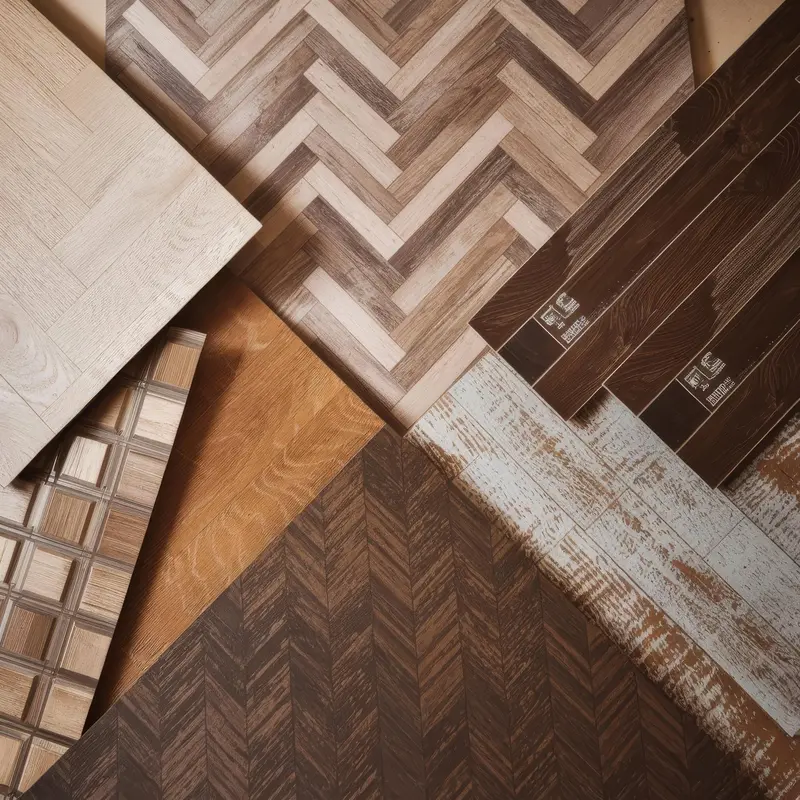
High-pressure laminate (HPL) is durable and versatile, often used in flooring and countertops. The main benefits include resistance to scratches, impact, and moisture, making it ideal for high-traffic areas. Additionally, HPL can mimic the appearance of more expensive materials with a wide range of designs while being easy to clean and maintain, thus offering a cost-effective decorative solution.
What are the benefits of direct-pressure laminate?
Direct-pressure laminate is a flooring material made by fusing layers under heat and pressure. Its main benefits include cost-effectiveness, ease of installation, and durability. It’s a budget-friendly option that requires minimal maintenance and resists stains and scratches, making it ideal for high-traffic areas.
How is laminate flooring used in homes?
Laminate flooring is a versatile option used in homes for its durability, affordability, and aesthetic appeal.
- Installation Versatility: Suitable for living rooms, kitchens, and hallways due to easy installation.
- Aesthetic Variety: Available in numerous designs, mimicking wood, stone, or tile.
- Durability: Known for scratch resistance, ideal for high-traffic areas.
The choice of style and quality can influence longevity and appearance. Laminate flooring variations cater to diverse household needs, providing both functional and visual enhancement to interiors.
What rooms are best suited for laminate flooring?
Laminate flooring is best suited for living rooms, bedrooms, and kitchens due to its versatility and durability.
- Living Rooms: Provides a warm and stylish look.
- Bedrooms: Enhances comfort and ease of cleaning.
- Kitchens: Resistant to spills and easy maintenance.
Can laminate flooring be used in kitchens and bathrooms?
Yes, laminate flooring can be used in kitchens and bathrooms; however, caution is needed.
Pros:
- Cost-effective compared to tile or hardwood
- Easy to install and maintain
- Available in various styles and designs
Cons:
- Not entirely waterproof, which can lead to warping
- Slippery when wet
- May require additional sealing for moisture resistance
How do you maintain laminate flooring?
Maintaining laminate flooring is straightforward:
- Regular Sweeping and Vacuuming: Sweep or vacuum regularly to remove dirt and debris.
- Damp Mopping: Use a damp mop for cleaning, ensuring it’s not too wet. Always dry the floor afterward.
- Spot Cleaning Spills: Clean up any liquid spills immediately with a soft cloth.
- Protective Pads and Rugs: Use felt pads under furniture legs and rugs in high-traffic areas.
- Avoiding Excess Water: Minimise water usage to prevent warping or delamination.
- Using a Gentle Cleaner: Opt for a gentle, laminate-specific cleaner. Avoid wax or polish products.
- Regular Inspection: Check flooring for damage or wear and address issues promptly.
Laminate Flooring Maintenance Checklist:
- Sweep/Vacuum regularly
- Damp mop with laminate cleaner
- Clean spills immediately
- Use protective pads on furniture
- Use rugs in high-traffic areas
- Avoid excessive water usage
- Opt for gentle cleaning products
- Inspect for damage regularly
What regular cleaning is required for laminate flooring?
- Sweep or vacuum to remove dust and debris.
- Damp mop with a mild cleaner, avoiding excess water.
- Wipe spills immediately to prevent damage.
What products should be avoided on laminate flooring?
Avoid abrasive cleaners, wax-based products, steam mops, or anything containing ammonia, as they can damage the surface.
What is the cost of laminate flooring?
The cost of laminate flooring typically ranges from £1 to £6 per square foot, depending on factors such as material quality, brand, and design. Installation costs range from £2 to £8 per square foot. Prices may vary due to underlayment needs, room size, and labour charges.
What factors influence the price of laminate flooring?
Factors affecting the price include material quality, thickness, brand reputation, and design complexity. For example, high-end laminates with textured finishes and thicker boards generally cost more. Installation method and geographic location also play roles in price differences.
How does quality affect the cost of laminate flooring?
Higher quality laminate flooring typically costs more due to better materials, finishes, and durability.
Pros:
- Longer lifespan
- Improved appearance
- Better resistance to wear and tear
Cons:
- Higher upfront costs
- May require professional installation
Are there budget-friendly laminate flooring options?
Yes, numerous budget-friendly laminate flooring options are available, offering a variety of styles and finishes.
How is laminate flooring installed?
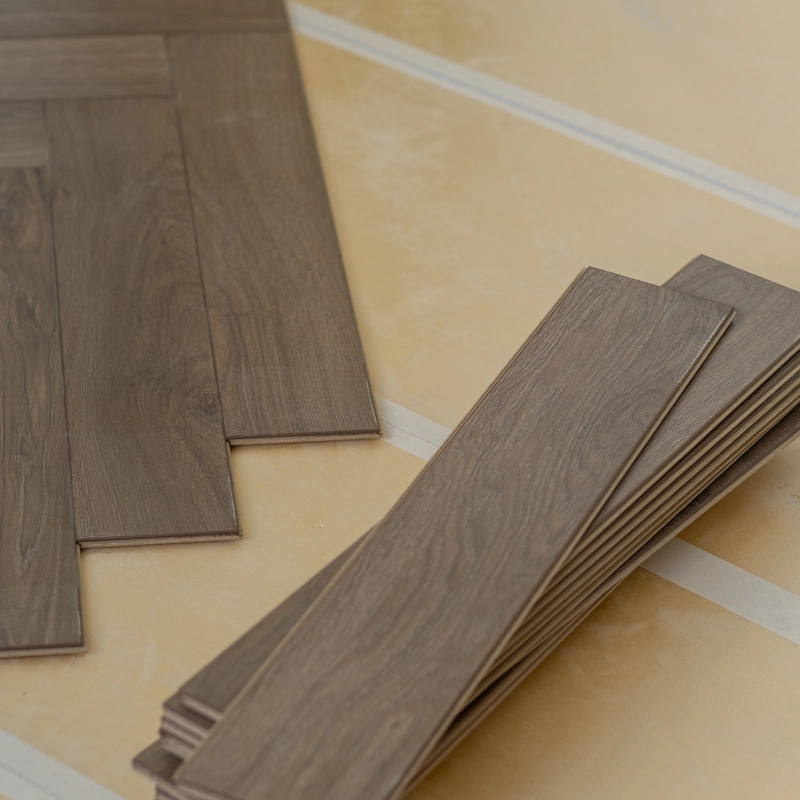
Laminate flooring is installed by following a series of methodical steps:
- Preparation: Clear the area and ensure the subfloor is clean, dry, and level.
- Acclimation: Allow the laminate planks to acclimate to the room’s temperature and humidity for at least 48 hours.
- Underlayment Installation: Roll out the underlayment across the floor surface.
- Layout Planning: Plan the layout to ensure the final row is not too narrow.
- First Row Placement: Start with the tongue side facing the wall, using spacers to maintain an expansion gap.
- Cutting and Fitting: Measure and cut planks to fit along walls and around obstacles.
- Connecting Planks: Click and lock the planks into place.
- Final Touches: Remove spacers and install baseboards or mouldings.
What tools are needed for laminate flooring installation?
- Measuring Tools: Tape measure and chalk line.
- Cutting Tools: Jigsaw and utility knife.
- Installation Tools: Hammer, pull bar, and tapping block.
- Protective Gear: Knee pads and safety glasses.
What are the steps to install laminate flooring?
- Prepare the Subfloor: Clean and level the subfloor.
- Acclimate the Laminate: Let the laminate sit in the room for 48 hours.
- Lay Underlayment: Roll out the underlayment.
- Plan the Layout: Arrange a test row of planks.
- Cut the Planks: Cut planks to size for edges or irregular shapes.
- Begin Installation: Start laying planks from the left corner.
- Stagger the Seams: Offset the seams of adjacent rows.
- Install the Final Row: Trim the last row of planks to fit.
- Add Molding and Transitions: Install baseboard or quarter-round molding.
Can laminate flooring be installed over existing floors?
Yes, laminate flooring can be installed over existing floors if the surface is level and in good condition. Underlayment may be necessary for cushioning and soundproofing.
What are the pros and cons of laminate flooring?
- Pros:
- Cost-effective alternative with aesthetic variety.
- Easy to install and maintain.
- Resistant to scratches and fading.
- Cons:
- Not as durable as natural materials.
- Can be damaged by excess moisture.
- Limited ability for refinishing.
What are the advantages of laminate flooring?
- Affordability: Laminate is typically cheaper than hardwood.
- Durability: Resistant to scratches, dents, and stains.
- Easy Installation: Click-lock design enables quick DIY setup.
- Variety of Designs: Available in multiple styles and patterns.
What are the disadvantages of laminate flooring?
- Susceptible to water damage.
- Lacks resale value.
- Difficult to repair.
- Not eco-friendly.
- Limited lifespan.
How does laminate flooring compare to other flooring types?
Laminate flooring offers affordability, durability, and easy maintenance, standing out from hardwood, which is more expensive and may require refinishing. Carpet provides warmth, but stains easily. Tile is durable and moisture-resistant, ideal for areas like kitchens.
| Flooring Type | Pros | Cons |
|---|---|---|
| Laminate | Affordable, easy to maintain | Less authentic look, not suitable for wet areas |
| Hardwood | Attractive, long lifespan | Expensive, susceptible to moisture |
| Carpet | Comfortable, warmth | Stains easily, needs frequent cleaning |
| Tile | Durable, moisture-resistant | Cold, can be expensive |
How does laminate flooring compare to hardwood flooring?
- Features:
- Laminate: Made from composite wood.
- Hardwood: Constructed from solid wood.
- Durability:
- Laminate: Resistant to scratches.
- Hardwood: Can be sanded and refinished.
- Installation:
- Laminate: Easier installation with click-and-lock planks.
- Hardwood: Requires professional installation.
- Cost:
- Laminate: Generally more affordable.
- Hardwood: Higher upfront cost.
How does laminate flooring compare to vinyl flooring?
- Laminate Flooring:
- Pros: Realistic wood look, easy installation.
- Cons: Susceptible to water damage.
- Vinyl Flooring:
- Pros: Water-resistant, versatile designs.
- Cons: Less realistic texture.
Is laminate flooring eco-friendly?
No, not entirely. Laminate flooring can be partially eco-friendly, depending on materials, manufacturing processes, and installation methods. While it often uses less natural wood, it may release VOCs and is not easily recyclable at the end of its life cycle.
How is laminate flooring recycled?
Laminate flooring recycling involves breaking down the material for reuse, focusing on sustainability:
- Collection: Gather used laminate flooring.
- Separation: Remove components at recycling centres.
- Grinding: Grind materials into smaller pieces.
- Sorting and Cleaning: Sort and clean the ground materials.
- Re-purposing: Use cleaned materials for new products.
What are the latest trends in laminate flooring?
Current trends include wider planks, water-resistant surfaces, and authentic wood looks with embossed textures. Advancements in printing technology have enhanced pattern variety and realism, while eco-conscious options are on the rise, emphasizing sustainable materials and low VOC emissions.
What are the popular styles and designs in laminate flooring?
Popular options include:
- Woodgrain Textures: Mimics authentic hardwoods, available in oak, maple, and walnut.
- Stone and Tile Looks: Provides a sleek appearance resembling ceramic or stone tiles.
- Patterned Designs: Features artistic prints or geometric patterns.
How do digital printing techniques affect laminate flooring designs?
Digital printing techniques enable highly detailed and realistic patterns, allowing for custom designs that closely mimic expensive materials at a fraction of the cost.
Conclusion
In summary, this article has dissected various flooring types, each with unique attributes, installation methods, and maintenance requirements. The key points are:
- Identify different flooring types such as wood, vinyl, and carpet.
- Recognise wood flooring variants: hardwood and engineered.
- Note installation methods: glue-down, nail-down, or floating.
- Acknowledge maintenance needs; regular cleaning extends lifespan.
- Consider room function and aesthetics in flooring selection.
By understanding these aspects, you can make informed decisions to suit your home’s specific needs, enhancing your space’s beauty and functionality.