What are the different styles of carpet available?
Carpet styles vary and cater to different aesthetic and functional needs. Here are some common styles:
- Plush: Provides a smooth, luxurious finish but shows footprints and vacuum marks easily.
- Berber: Characterised by loop pile construction for durability, making it great for high-traffic areas.
- Frieze: Features tightly twisted fibres that create a textured appearance, ideal for hiding dirt and footprints.
- Saxony: Offers a soft and dense finish but similar to plush, shows marks easily.
- Cut and Loop: Combines different fibre heights for unique patterns, offering good durability and style.
Pros and Cons Overview
| Style | Pros | Cons |
|---|---|---|
| Plush | Soft, luxurious feel | Shows footprints, easy to flatten |
| Berber | Durable, great for high-traffic areas | Limited colour/design options |
| Frieze | Hides dirt and footprints well | Less formal appearance |
| Saxony | Soft and elegant | Shows marks and will flatten with use |
| Cut and Loop | Unique patterns, durable | Can be harder to clean due to texture |
What are the main carpet styles to consider?
Carpet styles are categorised by their textures and construction methods, which influence their appearance and durability. The main styles include:
- Cut Pile: Known for softness and versatility, ideal for high-traffic areas.
- Loop Pile: Characterised by uncut yarn loops, offering durability and stain resistance.
- Cut and Loop Pile: A combination providing texture and pattern variety.
- Saxony: Plush and dense, preferred for its elegant look but shows vacuum marks easily.
Each style offers unique benefits, catering to different aesthetic preferences and practical needs.
How does plush carpet differ from Berber carpet?
Plush carpet is a type of carpeting known for its soft, dense texture, while Berber carpet features a loop-like construction with a knotty appearance.
- Texture: Plush is smooth and velvety; Berber has a looped, textured finish.
- Durability: Plush may show wear quickly; Berber is more durable.
- Comfort: Plush offers more cushioning; Berber is firmer.
- Maintenance: Plush requires frequent vacuuming; Berber conceals dirt better.
- Use: Plush is ideal for bedrooms; Berber suits high-traffic areas.
What is the difference between Saxony and frieze carpet?
Saxony and frieze carpets differ in texture, durability, and style.
- Saxony Carpet
- Features: Smooth, uniform pile; elegant appearance.
- Pros: Formal look, soft texture.
- Cons: Shows footprints and vacuum marks.
- Frieze Carpet
- Features: Twisted, textured pile; casual look.
- Pros: Hides dirt, durable; good for high-traffic areas.
- Cons: Less formal appearance.
What materials are used in carpet manufacturing?
Carpet manufacturing materials primarily include nylon, polyester, wool, and olefin due to their durability and comfort characteristics. Additionally, natural fibres like cotton and sisal are also used. These materials ensure carpets meet diverse functional and aesthetic requirements of consumers.
What are the common materials used in carpets?
Common carpet materials include nylon, polyester, wool, and olefin.
- Nylon: Known for its durability and resilience.
- Polyester: Offers vibrant colours and soft texture.
- Wool: Natural fibre with luxury feel.
- Olefin: Resists moisture and stains, ideal for outdoor or damp areas.
These materials each provide unique benefits based on performance, comfort, and maintenance needs.
How does wool compare to synthetic fibres in carpets?
Wool and synthetic fibres (such as nylon, polyester) offer distinct advantages and disadvantages when used in carpets. Below is a comparison to help understand their features:
- Wool Carpets:
- Pros: Natural, sustainable, and biodegradable; luxurious feel and rich appearance; excellent insulation properties.
- Cons: Higher cost; prone to staining without treatment.
- Synthetic Fibre Carpets:
- Pros: Generally more affordable; stain-resistant and durable.
- Cons: Not as environmentally friendly; may look less luxurious than wool.
Both types offer unique qualities influencing your choice based on budget, style preference, and environmental considerations.
What are the benefits of nylon carpets?
- Durability: Nylon carpets are exceptionally resilient, resisting wear in high-traffic areas.
- Stain Resistance: With proper treatment, nylon offers good stain resistance, keeping carpets looking fresh.
- Versatility: Available in a variety of styles and colours, nylon suits diverse decor preferences.
How is carpet installed?
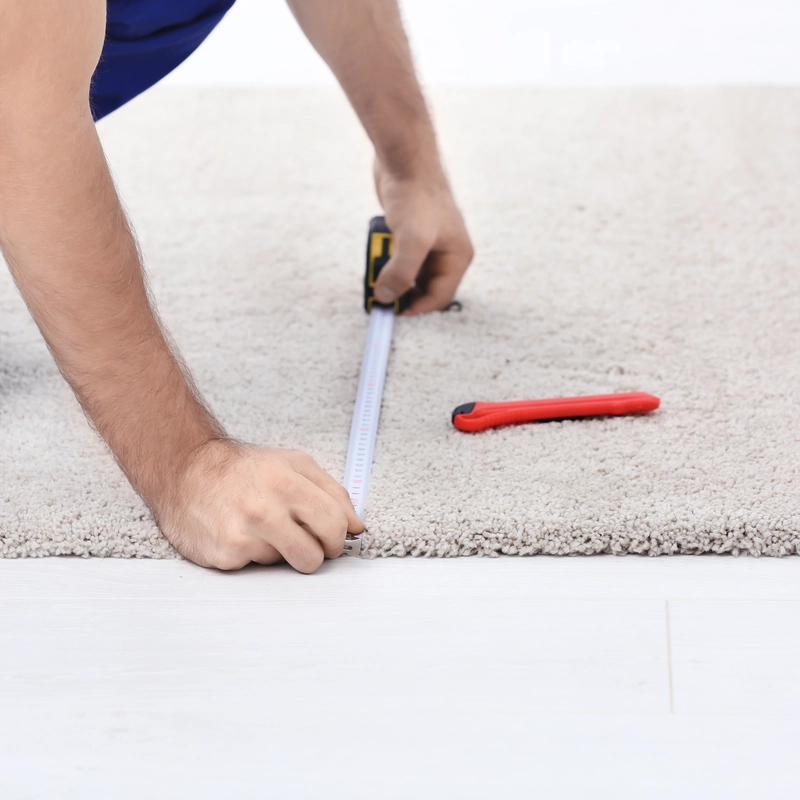
Carpet installation involves placing and securing carpet onto a floor surface in a systematic way.
- Preparation: Measure the room dimensions, clean the floor, and remove old flooring to ensure a smooth installation. Proper preparation ensures the carpet lays flat and securely.
- Install Tack Strips: Position tack strips around the room’s perimeter, except at doorways, to hold the carpet in place. Make sure the pointed nails face the walls for effective gripping.
- Lay Down Padding: Cut and lay carpet padding over the entire floor area. Secure it with staples or tape to provide underfoot comfort and extend carpet life.
- Cut the Carpet: Measure and cut the carpet slightly larger than the room size, allowing for adjustments. Ensure the carpet grain runs in the same direction to maintain consistency.
- Stretching: Use a power stretcher to stretch the carpet wall-to-wall, ensuring it is taut with no wrinkles or bubbles. This step prevents premature wear and helps maintain the carpet’s appearance.
- Secure Carpet Edges: Tuck the edges into the space between the wall and the tack strip using a knee kicker. This secures the carpet without visible nails or staples.
- Trim Excess Carpet: Cut any excess carpet along the walls using a utility knife. Cutting carefully prevents damage or fraying at the edges.
- Finish with Seams: If needed, join carpet pieces with seam tape for a seamless look. Heat-activated tape ensures a strong bond when using a seam iron.
Carpet installation requires precision at each step to guarantee durability, aesthetics, and comfort.
What are the steps for installing carpet?
Installing carpet involves several essential steps to ensure a smooth and professional finish. Here is a detailed breakdown of the process:
- Prepare the Room: Clear the room of furniture and debris. Clean the subfloor thoroughly and ensure it’s dry before installation.
- Measure and Cut the Carpet: Measure the area to determine the carpet size needed. Cut the carpet to fit the room dimensions, adding a few extra inches for adjustments.
- Lay the Carpet Pad: Position the carpet pad across the entire area, securing the edges with staples or adhesive. This pad provides cushioning and prolongs carpet life.
- Position the Carpet: Unroll the carpet over the padding, aligning it properly. Use a knee kicker to stretch and position the carpet along the edges.
- Trim and Secure Edges: Trim excess carpet using a carpet cutter. Secure edges with a power stretcher, ensuring a tight fit against walls.
- Seal with Tack Strips: Install tack strips around the room’s perimeter. Use a carpet tucker to press the carpet into the strips, creating a seamless edge.
- Finish with Transitions: For areas meeting other flooring types, use transition strips. These create a smooth and safe transition between surfaces.
- Vacuum and Inspect: Finally, vacuum the carpet to remove any debris. Inspect for imperfections and make necessary adjustments to finalise the installation.
What tools are needed for carpet installation?
Carpet installation requires specific tools to ensure a smooth and secure fit. Here’s a checklist to help you get started:
- Carpet Knife: For cutting carpet precisely.
- Carpet Tucker: To tuck carpet edges into the walls and corners.
- Knee Kicker: For stretching and fitting the carpet.
- Carpet Seam Roller: To press down carpet seams for a smooth finish.
- Stapler or Hammer Tacker: For securing carpet padding.
- Power Stretcher: Essential for pulling carpet tight across the floor.
- Measuring Tape: To measure the area accurately.
- Chalk Line: For marking straight lines on underlayment.
How do you prepare a room for carpet installation?
Preparing a room for carpet installation involves several steps to ensure a smooth process. Here is a simple checklist to help you:
- Clear the Room: Remove all furniture and decor to provide an unobstructed workspace.
- Remove Old Flooring: If there is existing carpet, it must be fully taken out.
- Clean the Subfloor: Thoroughly vacuum or sweep the subfloor to remove dust and debris.
- Inspect the Subfloor: Cheque the subfloor for damage and repair as necessary.
- Install Tack Strips: Lay tack strips around the perimeter of the room, ensuring they’re approximately half an inch from the wall.
- Lay Down Underlay: Roll out the carpet underlay, securing it with staples or adhesive tape.
How do you maintain and clean carpets?
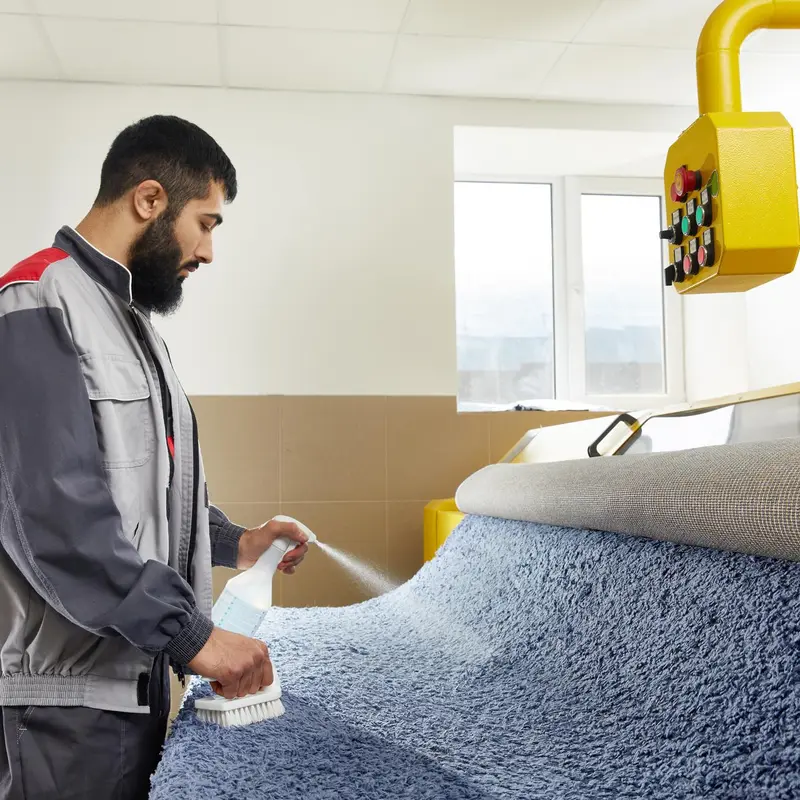
Maintaining and cleaning carpets is essential for prolonging their life and appearance. Follow these steps and use the checklist to ensure thorough care:
- Vacuum Regularly: Vacuum carpets at least once a week to remove dirt and debris, focusing on high-traffic areas.
- Address Spills Immediately: Promptly blot spills with a clean, dry cloth to prevent stains.
- Deep Clean Annually: Schedule professional cleaning once a year.
- Use Doormats: Place mats at entrances to reduce dirt tracking.
- Implement a No-Shoes Policy: Reduce dirt introduction by asking household members and guests to remove shoes indoors.
Checklist for Carpet Maintenance:
- [ ] Vacuum once a week.
- [ ] Blot spills immediately.
- [ ] Schedule annual deep cleaning.
- [ ] Place doormats at entrances.
- [ ] Enforce a no-shoes policy indoors.
By following these steps, you maintain cleanliness and extend your carpet’s life without unnecessary wear.
What are the best practises for carpet maintenance?
To maintain your carpet effectively, follow these best practises in the form of a checklist:
- Vacuum Regularly: Aim for at least once a week to remove dirt and debris that can wear down carpet fibres.
- Attend to Spills Immediately: Blot spills with a clean cloth and avoid rubbing.
- Use Door Mats: Place at entrances to reduce the amount of dirt tracked indoors.
- Rotate Furniture: Change the positioning of your furniture occasionally to prevent uneven wear.
- Professional Cleaning: Schedule a deep cleaning every 12-18 months to extract deeply embedded dirt.
How often should carpets be vacuumed?
Carpets should be vacuumed at least once a week, but high-traffic areas may require more frequent attention, approximately every 2-3 days.
What products are recommended for carpet cleaning?
Effective carpet cleaning products include detergents, eco-friendly solutions, and specialised carpet cleaners. These products help maintain the carpet’s appearance and longevity.
What are the costs associated with carpet?
Carpet costs range from £1 to £20 per square foot, depending on material, style, and quality.
Pros and Cons of Carpet:
- Pros:
- Comfortable and warm
- Reduces noise
- Available in various styles
- Cons:
- Stains easily
- Requires regular cleaning
Factors Influencing Carpet Costs:
Carpet prices vary due to factors like material (wool is pricier than synthetic options), pile height, and brand. Installation costs, room size, and underlay material can also impact the overall price.
What factors affect the price of carpet?
Factors affecting carpet prices include material, pile height, construction, pattern, dye method, and brand.
- Material: Natural fibres like wool are pricier than synthetic options like nylon.
- Pile Height: Higher piles typically cost more.
- Construction: Tufted and woven carpets differ in price.
- Pattern: Complex patterns increase the cost.
- Dye Method: Solution-dyed carpets are more expensive.
- Brand: Premium brands tend to have higher prices.
Prices generally range from £2 to £15 per square foot, varying with these factors.
How can you budget for carpet installation?
To budget for carpet installation, follow this simple checklist:
- Measure Your Space: Determine the square footage needed.
- Select Carpet Type: Choose between options like nylon, polyester, or wool.
- Research Installers: Get quotes from multiple service providers.
- Account for Extras: Include costs for padding and installation materials.
- Set Contingency Fund: Add 10% for unexpected expenses.
Typically, carpet installation costs range from £3 to £7 per square foot, including materials and labour.
Are there affordable carpet options available?
Yes, affordable carpet options like polyester are available, offering durability and stain resistance.
Conclusion
Understanding the different types of carpets and their associated materials, styles, costs, and maintenance practises assists in making informed decisions based on specific needs and preferences.