What is the best flooring?
The best flooring depends on the specific needs and preferences for a given space.
Pros and Cons of Common Flooring Types
- Hardwood
- Pros: Durable, timeless look, can be refinished
- Cons: Expensive, susceptible to scratches, requires maintenance
- Laminate
- Pros: Budget-friendly, easy to install, scratch-resistant
- Cons: Cannot be refinished, less natural look and feel
- Vinyl
- Pros: Water-resistant, versatile designs, affordable
- Cons: Can be prone to dents, may fade in direct sunlight
- Tile
- Pros: Highly durable, water-resistant, easy to clean
- Cons: Hard and cold underfoot, can crack if heavy objects fall on it
- Carpet
- Pros: Comfortable, noise-reducing, warm
- Cons: Stains easily, requires frequent cleaning, not ideal for allergy sufferers
Factors Influencing the Best Flooring Choice
- Room Usage: High-traffic areas may benefit from durable materials like tile or hardwood, while bedrooms may suit the comfort of carpet.
- Budget: This can significantly influence the choice, with options ranging from high-end hardwood to economical laminate and vinyl.
- Aesthetic Preferences: The look and feel of the flooring should complement the overall design of the space.
- Maintenance: Some flooring types, like tile and vinyl, are easier to maintain than others such as carpet or hardwood.
Each flooring option has unique attributes that make it suitable for different needs. The best choice will balance durability, cost, aesthetic appeal, and maintenance considerations specific to your space.
What are the different types of flooring?
Flooring options vary widely in terms of materials, durability, aesthetics, and maintenance. Here are the primary types of flooring:
- Hardwood: Known for its natural beauty and durability.
- Laminate: Offers a cost-effective alternative that mimics wood.
- Vinyl: Resilient and water-resistant, ideal for high-moisture areas.
- Tile: Available in ceramic or porcelain, it’s durable and easy to clean.
- Carpet: Provides comfort and insulation, available in various textures and colours.
| Flooring Type | Durability | Aesthetics | Maintenance | Ideal Areas |
|---|---|---|---|---|
| Hardwood | High | Natural | Moderate | Living rooms, Bedrooms |
| Laminate | Moderate | Versatile | Easy | Living rooms, Basements |
| Vinyl | High | Versatile | Easy | Kitchens, Bathrooms |
| Tile | High | Various | Easy | Bathrooms, Kitchens |
| Carpet | Varies | Cozy | Moderate to High | Bedrooms, Living rooms |
What are the features of hardwood flooring?
Hardwood flooring is a durable and aesthetically pleasing flooring option made from natural wood.
- Durability: Long-lasting and can be refinished multiple times.
- Aesthetic Appeal: Offers a warm and classic look.
- Variety: Available in various wood species, finishes, and colours.
- Maintenance: Requires regular maintenance to keep it in good condition.
Pros:
- Durability: Can last for decades with proper care.
- Value Addition: Increases property value.
- Allergy-Friendly: Doesn’t trap dust and allergens.
Cons:
- Cost: More expensive than other types of flooring.
- Maintenance: Needs regular cleaning and care.
- Susceptibility: Prone to scratches and water damage.
Hardwood flooring varies based on wood species (like oak, maple, and cherry), which influence hardness and colour. The type of finish also affects its look and durability. Factors such as humidity and installation method can impact its performance and longevity.
What are the features of laminate flooring?
Laminate flooring is a multi-layer synthetic flooring product fused together through a lamination process. Its key features include:
- Durability: Resistant to scratches, dents, and stains.
- Cost-Effectiveness: Typically less expensive than hardwood or stone flooring.
- Ease of Installation: Can be easily installed using a click-lock system.
- Variety of Designs: Available in numerous styles and colours to mimic wood, stone, or tile.
Laminate flooring is therefore an attractive option for those seeking a budget-friendly and durable flooring solution that provides aesthetic flexibility.
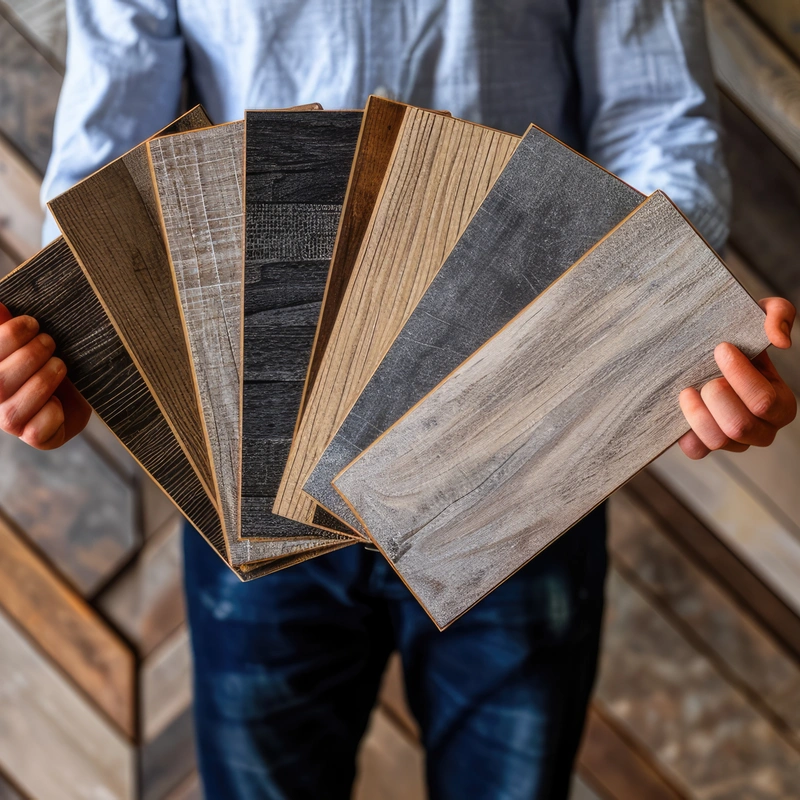
What are the features of vinyl flooring?
Vinyl flooring is a versatile and durable flooring option made from synthetic materials.
- Water resistance: Ideal for kitchens and bathrooms; it’s highly resistant to moisture.
- Durability: It can withstand heavy foot traffic and is resistant to scratches and wear.
- Ease of maintenance: Simple to clean, requiring only regular sweeping and occasional mopping.
- Cost-effectiveness: Compared to hardwood and tile, vinyl is a more budget-friendly option.
These features make vinyl flooring a popular choice for both residential and commercial spaces.
What are the features of tile flooring?
Tile flooring is a versatile and durable type of flooring option available in various materials and designs.
- Durability: Tiles are resistant to moisture and wear, making them ideal for high-traffic and wet areas.
- Variety: Available in numerous designs, colours, and finishes, offering aesthetic flexibility.
- Maintenance: Tiles are easy to clean and maintain, requiring minimal upkeep.
These features make tile flooring a popular choice for both residential and commercial spaces.
What are the features of carpet flooring?
Carpet flooring consists of a textile upper layer attached to a backing, providing comfort, warmth, and aesthetic appeal to interiors.
- Comfort: Soft underfoot, ideal for living areas and bedrooms.
- Insulation: Provides thermal and sound insulation.
- Safety: Reduces slips and falls.
Pros and Cons
| Pros | Cons |
|---|---|
| Comfortable and soft | Difficult to clean |
| Insulating properties | Prone to stains |
| Variety of designs | Traps allergens |
Keep your space cosy and insulated with carpet flooring, but be prepared for regular maintenance to keep it clean.
What is the best flooring for high-traffic areas?
The best flooring for high-traffic areas is luxury vinyl plank due to its durability and low maintenance.
For high-traffic areas, luxury vinyl plank (LVP) is favoured because it combines robustness with easy upkeep. LVP is resistant to scratches, dents, and water damage, making it suitable for busy households or commercial spaces.
Pros:
- High durability
- Water and scratch-resistant
- Easy to clean and maintain
- Wide variety of styles
Cons:
- Can be less comfortable than carpet
- Synthetic materials may not appeal to all users
Factors Influencing Choice:
- Foot Traffic: LVP stands up well to heavy use over time.
- Maintenance: Requires minimal effort compared to hardwood or carpet.
- Aesthetics: Available in many designs, mimicking wood, stone, and tile.
- Budget: Often more affordable than hardwood and easier to install.
Understanding these variations and factors can help you make an informed decision for high-traffic areas.
How does durability affect flooring choice?
Durability in flooring refers to how well the floor stands up to wear, tear, and damage over time. It significantly influences flooring selection by determining how long the flooring will last and how it will maintain its appearance and function. This long-term resilience is crucial for rooms with high foot traffic or heavy use.
Factors Influencing Durability:
- Material: Different materials like hardwood, laminate, and vinyl have varying lifespans and resistance to damage.
- Finish and Coating: Protective layers can enhance durability by preventing scratches and spills.
- Maintenance Requirements: Regular upkeep can extend the life of the flooring.
Pros and Cons:
| Pros | Cons |
|---|---|
| Long-lasting and cost-effective over time | Initial cost can be higher |
| Maintains appearance with minimal repairs | Some materials require regular maintenance |
| Resistant to wear and tear | May be less comfortable underfoot |
Understanding these factors helps you choose a floor that fits your needs, ensuring it can handle the specific challenges of the space it will occupy.
What flooring types are most durable?
The most durable flooring types are ceramic tile, concrete, and natural stone due to their resistance to wear, stains, and heavy foot traffic.
Ceramic Tile:
- Pros: Extremely durable, resistant to scratches, water, and stains, easy to clean.
- Cons: Can be cold and hard underfoot, grout lines may require maintenance.
Concrete:
- Pros: Very durable, can be polished for a sleek look, low maintenance.
- Cons: Hard and cold, prone to cracking, may require resealing.
Natural Stone (e.g., granite, marble):
- Pros: Highly durable, naturally beautiful, unique patterns.
- Cons: Can be expensive, may require sealing, can be slippery when wet.
Factors influencing durability include the material’s hardness, resistance to moisture, and ease of maintenance. For instance, concrete and ceramic tile are ideal for high-traffic areas, while natural stone offers premium aesthetics with durability.
What is the best flooring for kitchens?
The best flooring for kitchens is often luxury vinyl plank (LVP) due to its durability and water resistance.
Luxury vinyl plank provides a perfect blend of resilience to heavy foot traffic and moisture, making it highly suitable for busy kitchen environments. Additionally, it is easier to clean and maintain, which further enhances its appeal in such spaces.
Pros:
- Water-resistant
- Durable and scratch-resistant
- Easy to maintain and clean
- Comfortable underfoot
Cons:
- Can be expensive
- Installation may require professional help
- Limited natural appearance compared to hardwood
Factors Influencing Choice:
- Budget: LVP can be cost-effective compared to other premium options like hardwood or stone.
- Maintenance Needs: LVP requires minimal upkeep, making it ideal for busy households.
- Aesthetic Preferences: While LVP offers a variety of styles and colours, some homeowners prefer the natural look of hardwood.
- Durability Requirements: High-traffic and moisture levels in the kitchen demand durable flooring like LVP.
How does moisture resistance affect kitchen flooring?
Moisture resistance in kitchen flooring determines the longevity and performance of the flooring, with higher resistance preventing warping, mold growth, and damage.
- Pros:
- Prolongs flooring lifespan
- Prevents water damage and mould
- Easier to clean and maintain
- Cons:
- Often more expensive
- Limited design choices in highly resistant materials
Variations and Influences:
Different flooring types offer varying levels of moisture resistance. For example, vinyl and ceramic tiles are highly moisture-resistant, while hardwood and laminate may require extra sealing and care. Factors such as material composition, installation quality, and maintenance routines significantly impact the overall moisture resistance of kitchen flooring.
What flooring types are best for kitchens?
Vinyl and porcelain tile are the best flooring types for kitchens due to their durability and water resistance.
| Flooring Type | Pros | Cons |
|---|---|---|
| Vinyl | Durable, water-resistant, easy to clean | Can wear over time, less eco-friendly |
| Porcelain Tile | Highly water-resistant, very durable | Cold underfoot, can be slippery when wet |
Vinyl variations offer cushioned options for added comfort, while porcelain tile comes in various finishes which can affect slip resistance.
What is the best flooring for bathrooms?
Vinyl flooring is often considered the best for bathrooms due to its waterproof nature, durability, and ease of maintenance. Vinyl flooring comes in various styles and can mimic the look of more expensive options like hardwood or tile. Not only does it perform well under constant moisture, but it also feels comfortable underfoot.
Pros and Cons of Vinyl Flooring:
| Pros | Cons |
|---|---|
| Waterproof | May feel less luxurious |
| Durable | Can be punctured with sharp objects |
| Easy to clean | Requires smooth subfloor |
| Affordable | Limited re-sanding options |
Influencing Factors:
- Bathroom Size: Larger bathrooms might benefit from tiles due to aesthetics and ease of cleaning larger surfaces.
- Budget: Luxury vinyl planks offer a premium look at a lower cost compared to natural materials.
- Foot Traffic: Heavier foot traffic areas may require tougher flooring like ceramic tiles.
- Installation Skill: Vinyl is relatively easy to install, making it suitable for DIY projects, while tiles might need professional installation.
What is the best flooring for high-traffic areas?
The best flooring for high-traffic areas is luxury vinyl tile (LVT) due to its durability and ease of maintenance.
In-Depth Analysis
Luxury vinyl tile stands out because of its resistance to wear and tear, water resistance, and ease of cleaning. Other popular options include ceramic tile and commercial-grade laminate, both of which also offer durability and low maintenance.
Pros and Cons
| Flooring Type | Pros | Cons |
|---|---|---|
| Luxury Vinyl Tile (LVT) | Durable, water-resistant, easy to clean | Can be expensive |
| Ceramic Tile | Extremely durable, water-resistant | Hard and cold underfoot |
| Commercial Laminate | Cost-effective, easy to install | Can be susceptible to water damage |
Variations and Influencing Factors
Luxury Vinyl Tile (LVT) options are available in various designs that mimic wood or stone, offering both aesthetic appeal and practical benefits. Ceramic tile comes in numerous styles and finishes, often chosen for its ability to handle heavy wear without damage. Commercial laminate is selected for its affordability and ease of installation, but quality can vary greatly depending on the brand and type chosen.
What flooring types are best for bathrooms?
Tile, vinyl, and engineered wood are the best flooring types for bathrooms.
- Tile:
- Pros: Waterproof, durable, easy to clean
- Cons: Cold underfoot, can be slippery
- Vinyl:
- Pros: Water-resistant, comfortable, easy to install
- Cons: Can dent, may fade over time
- Engineered Wood:
- Pros: Attractive, water-resistant, stable
- Cons: Not completely waterproof, needs maintenance
Variations such as textured tiles provide better grip, while higher-quality vinyl can offer enhanced durability. The choice depends on budget, aesthetics, and specific bathroom conditions.
What is the best flooring for living rooms?
The best flooring for living rooms often depends on personal preference, but hardwood is frequently considered the top choice due to its durability, classic aesthetic, and added home value.
Pros and Cons of Popular Living Room Flooring Options
| Flooring Type | Pros | Cons |
|---|---|---|
| Hardwood | Durable, timeless, high resale value | Expensive, requires maintenance |
| Carpet | Comfortable, warm, noise reduction | Can stain, may wear out quickly |
| Laminate | Affordable, easy to install | Can look cheap, not as durable |
| Tile | Durable, easy to clean | Hard underfoot, cold feeling |
| Vinyl | Water-resistant, versatile designs | Can dent or scratch |
When choosing flooring for a living room, consider factors like durability, comfort, maintenance, and your budget.
How does comfort affect living room flooring?
Comfort in living room flooring can influence relaxation, warmth, and overall homeliness.
- Pros:
- Soft options reduce foot fatigue.
- Some materials offer better insulation.
- Cons:
- Softer floors may be less durable.
- Higher comfort often comes at a higher price.
What flooring types are best for living rooms?
Hardwood, laminate, carpet, and tile are the best flooring types for living rooms.
- Hardwood:
- Pros: Durable, timeless appearance
- Cons: Can be expensive, requires maintenance
- Laminate:
- Pros: Cost-effective, easy to install
- Cons: Can be noisy, not as long-lasting as hardwood
- Carpet:
- Pros: Soft, comfortable, good for sound insulation
- Cons: Can stain, requires regular cleaning
- Tile:
- Pros: Durable, easy to clean
- Cons: Cold underfoot, can be slippery
Factors influencing the choice include the room’s aesthetic, household activity level, and budget. Variations within each type, such as engineered vs. solid hardwood or different carpet fibres, also play a role.
What is the best flooring for high-traffic areas?
The best flooring for high-traffic areas is luxury vinyl plank (LVP) due to its durability and ease of maintenance.
Luxury vinyl plank (LVP) offers the perfect blend of resilience and aesthetic appeal, making it suitable for areas with heavy foot traffic. Compared to other flooring types like hardwood and tile, LVP stands out for its high resistance to scratches, dents, and moisture. Additionally, it is relatively easy to clean and maintain, contributing to its longevity in busy spaces.
Pros:
- Highly durable
- Water-resistant
- Easy to clean
- Aesthetic flexibility
Cons:
- May not have the same resale value as hardwood
- Can be cold underfoot
Factors Influencing Suitability:
- Durability: LVP is engineered to withstand significant wear.
- Moisture Resistance: It’s ideal for areas prone to spills.
- Maintenance: Low maintenance needs make it practical for busy households.
- Cost: It’s more affordable compared to traditional hardwood flooring.
Each of these factors contributes to why luxury vinyl plank flooring is considered the top choice for high-traffic areas.
How does warmth affect bedroom flooring?
Warmth affects bedroom flooring by enhancing comfort, reducing heat loss, and influencing material choice. For instance, carpets and underfloor heating create a cozy atmosphere, while hardwood retains heat better than tile. This impacts the overall comfort and energy efficiency of the room.
What flooring types are best for bedrooms?
The best flooring types for bedrooms include carpet, hardwood, laminate, and vinyl, each offering unique comfort, aesthetics, and maintenance attributes.
- Carpet:
- Pros: Soft, warm, noise-reducing
- Cons: High maintenance, potential allergens
- Hardwood:
- Pros: Durable, elegant, increases home value
- Cons: Expensive, can be cold
- Laminate:
- Pros: Affordable, easy to clean, resistant to scratches
- Cons: Can feel hard underfoot, less durable than hardwood
- Vinyl:
- Pros: Water-resistant, affordable, easy to install
- Cons: Less luxurious, can dent easily
What are the advantages of using laminate flooring in homes?
Laminate flooring is popular in homes due to its durability, affordability, and ease of installation. It’s designed to mimic the look of wood or stone without the high cost. A report by the North American Laminate Flooring Association states that laminate is resistant to scratches and moisture, making it suitable for busy households.
How does moisture control affect basement flooring?
Moisture control is crucial in basement flooring to prevent damage and mould growth. Moisture can deteriorate certain materials like hardwood, leading to warping and rot. Effective moisture control strategies include installing vapour barriers, using moisture-resistant materials such as vinyl or tile, and ensuring adequate ventilation. Factors like local climate, basement usage, and the type of flooring material greatly influence the level of moisture control required. Keeping moisture levels in check helps maintain floor integrity and extends its lifespan.
What flooring types are best for basements?
The best flooring types for basements are vinyl, tile, engineered wood, and carpet tiles, due to their moisture resistance and durability.
- Vinyl:
- Pros: Moisture-resistant, easy to clean, affordable
- Cons: Can feel cold, less luxurious appearance
- Tile:
- Pros: Highly water-resistant, durable, aesthetically versatile
- Cons: Hard underfoot, can be expensive
- Engineered Wood:
- Pros: Real wood appearance, more stable than solid wood in damp conditions
- Cons: Not entirely waterproof, can be pricey
- Carpet Tiles:
- Pros: Warmth and comfort, easy to replace damaged sections, variety of designs
- Cons: Can absorb moisture, requires more maintenance
Variations in basement humidity, usage, and personal preference influence the choice of flooring. Each type offers specific benefits and drawbacks, helping homeowners make an informed decision.
How do you maintain different types of flooring?
Maintaining different types of flooring requires specific approaches tailored to each material. Here’s a breakdown of how to care for various flooring types:
- Wood Flooring
- Sweep or Vacuum Regularly: Remove dirt and debris to prevent scratches.
- Damp Mop with Wood Cleaner: Use a specific wood floor cleaner, avoiding excess water.
- Refinish Every Few Years: Depending on traffic, refinishing helps maintain the wood’s appearance.
- Carpet Flooring
- Vacuum Frequently: At least twice a week to remove surface dirt.
- Deep Clean Annually: Use a steam cleaner or hire a professional.
- Spot Clean Stains Immediately: Blot, don’t rub, and use appropriate carpet cleaners.
- Tile Flooring
- Sweep or Vacuum Daily: Helps to avoid grime buildup.
- Mop Weekly Using pH-Neutral Cleaner: Keeps tiles and grout in good condition.
- Seal Grout Annually: Prevents staining and moisture intrusion.
- Laminate Flooring
- Dry Mop or Vacuum Regularly: Use a soft-brush attachment to prevent scratches.
- Damp Mop Sparingly: Avoid standing water which can damage the laminate.
- Use Mats in High-Traffic Areas: Reduces wear and tear.
- Vinyl Flooring
- Sweep and Mop Regularly: Use a vinyl-safe cleaner and avoid abrasive tools.
- Prevent Scratches: Use felt pads under furniture legs and avoid dragging heavy objects.
Each type of flooring has unique requirements based on material properties, traffic levels, and environmental factors. Adjust maintenance routines accordingly to ensure longevity and appearance.

How do you maintain hardwood flooring?
- Regular Sweeping or Vacuuming: Use a soft-bristle broom or a vacuum with a hardwood floor attachment. This keeps dirt and debris from scratching the surface.
- Use Hardwood Floor Cleaners: Choose a cleaner specifically designed for hardwood floors. Avoid using water and vinegar, soap-based cleaners, or steam cleaners as they can damage the finish.
- Wipe Spills Immediately: Use a dry or slightly damp cloth. Excess moisture can cause wood to warp or stain.
- Use Area Rugs and Furniture Pads: Place rugs in high-traffic areas and pads under furniture to avoid scratches and dents.
- Avoid High Heels and Pet Nails: High heels can cause dents, while pet nails can scratch the surface. Regularly trim pet nails to minimise damage.
- Minimise Sun Exposure: Excessive sunlight can discolour hardwood. Use curtains or blinds to block direct sunlight.
- Refinish Periodically: Depending on the wear and tear, refinishing every few years can restore the wood’s beauty and extend its life.
- Maintain Humidity Levels: Wood flooring can be sensitive to humidity. Use a humidifier in dry seasons to maintain a stable environment.
How do you maintain laminate flooring?
Maintaining laminate flooring involves regular cleaning and proper care to ensure longevity and appearance.
- Dust and Sweep Regularly: Use a soft broom or a dust mop to remove dust and debris. Avoid using a vacuum with a beater bar.
- Mop Sparingly: Clean with a damp mop using a laminate-floor cleaner. Excess water can damage the laminate.
- Wipe Spills Immediately: Quickly clean up any liquid spills with a dry cloth to prevent the flooring from warping.
- Protect from Furniture Damage: Place felt pads under furniture legs to prevent scratches and dents.
- Avoid Abrasive Cleaners: Steer clear of abrasive cleaners and scouring pads that can scratch the laminate surface.
Laminate flooring is sensitive to moisture and heavy impact. Use mats in high-traffic areas to reduce wear.
What are the features of vinyl flooring?
Vinyl flooring is a highly durable synthetic flooring material.
- Durability: Resistant to wear and tear, making it ideal for high-traffic areas.
- Water Resistance: Excellent choice for moisture-prone rooms like bathrooms and kitchens.
- Easy Maintenance: Simple to clean and care for, requiring minimal effort to maintain its appearance.
How do you maintain carpet flooring?
Proper maintenance of carpet flooring enhances its lifespan and appearance. Follow these steps and checklist to keep your carpets in top condition.
- Regular Vacuuming:
- Vacuum at least once a week.
- Use a vacuum cleaner with a HEPA filter.
- Go over high-traffic areas more frequently.
- Spot Cleaning:
- Address spills immediately.
- Blot the spill, do not rub.
- Use a carpet-friendly cleaner.
- Deep Cleaning:
- Schedule professional steam cleaning annually.
- Rent a carpet cleaner for DIY deep cleaning.
- Protect from Furniture:
- Use furniture coasters or gliders.
- Re-arrange furniture periodically to prevent indentations.
Maintenance Checklist:
- Weekly vacuuming
- Immediate spot cleaning
- Annual professional deep cleaning
- Use of furniture protectors
By following these steps and checklist, you can ensure your carpet flooring remains clean and lasts longer.
What is the cost of different types of flooring?
The cost of flooring can vary widely based on the material. Here’s a quick comparison:
| Flooring Type | Cost per sq. ft. |
|---|---|
| Hardwood | £5 – £15 |
| Laminate | £1 – £5 |
| Vinyl | £1 – £7 |
| Tile | £2 – £15 |
| Carpet | £2 – £7 |
Factors such as quality, labour costs, and geographical location can influence these prices. Higher-end materials and intricate installation processes typically increase costs, while DIY-friendly options like laminate and vinyl can help save money. Each of these factors combines to determine the final flooring cost, so it’s essential to consider them when planning your budget.
What factors influence the cost of flooring?
Several factors influence the cost of flooring:
- Material Type: Hardwood, laminate, vinyl, tile, and carpet all have different price points.
- Installation Complexity: Custom patterns or difficult layouts can increase labour costs.
- Quality and Brand: Premium brands often come at higher prices for better quality.
- Area Size: Larger areas require more material and labour.
Material type impacts the base cost as different materials have varying price ranges. Installation complexity and area size affect labour costs, while brand and quality can add to the overall expense.
How does material affect flooring cost?
The material used for flooring significantly impacts the cost, with natural wood and stone typically being more expensive than laminate and vinyl due to durability, aesthetics, and sourcing.
| Material | Average Cost per Square Foot | Key Cost Factors |
|---|---|---|
| Natural Wood | £5 – £15 | Durability, sourcing, and aesthetic value |
| Stone | £10 – £20 | Hardness, rarity, and installation complexity |
| Laminate | £1 – £5 | Affordability, ease of installation |
| Vinyl | £2 – £7 | Versatility, maintenance, and durability |
How does installation affect flooring cost?
Installation costs vary based on floor type, labour, and complexity. For instance, hardwood flooring requires professional installation, significantly increasing costs, while laminate is easier to install and can be a DIY project, reducing expenses. Factors such as subfloor condition, room size, and geographical location also influence installation expenses.
How does maintenance affect flooring cost?
Good maintenance reduces long-term flooring costs by preventing damage and extending the floor’s life.
Regular maintenance can save money by avoiding costly repairs and replacements, whereas neglecting maintenance can lead to expensive fixes.
Pros of Regular Maintenance:
- Extends floor lifespan
- Prevents costly repairs
- Maintains floor appearance
Cons of Neglecting Maintenance:
- Leads to higher repair costs
- Shortens floor lifespan
- Degrades floor appearance
Conclusion
Key Takeaways:
- Flooring types include hardwood, laminate, vinyl, ceramic, and carpet.
- Proper maintenance can extend the life of any type of flooring.
- Each flooring type has unique benefits and drawbacks.
- Choosing the right flooring depends on the specific needs of the space.
In summary, this article explored the various types of flooring options available, such as hardwood, laminate, vinyl, ceramic, and carpet. Each type has its unique features, benefits, and maintenance requirements. By understanding these aspects, you can make an informed decision on the most suitable flooring for different spaces in your home, ensuring durability and adding aesthetic value. Proper maintenance plays a critical role in extending the life of any chosen flooring type.